The precious metal is esteemed among individuals throughout millennia centuries, and its worth continues to hold strong in today's economy. This lustrous element is not just aesthetically pleasing; it has many properties that make it distinct. Gold is rare, resilient, and resists tarnish or corrosion, which signifies it endures a very extended period. These attributes have established the precious metal a favored option for ornaments, bullion, and even as a form of currency. In modern times, the precious metal is also seen as a safe investment, especially during economic uncertainty. Investors often turn to gold to safeguard their wealth when the stock market is unstable.
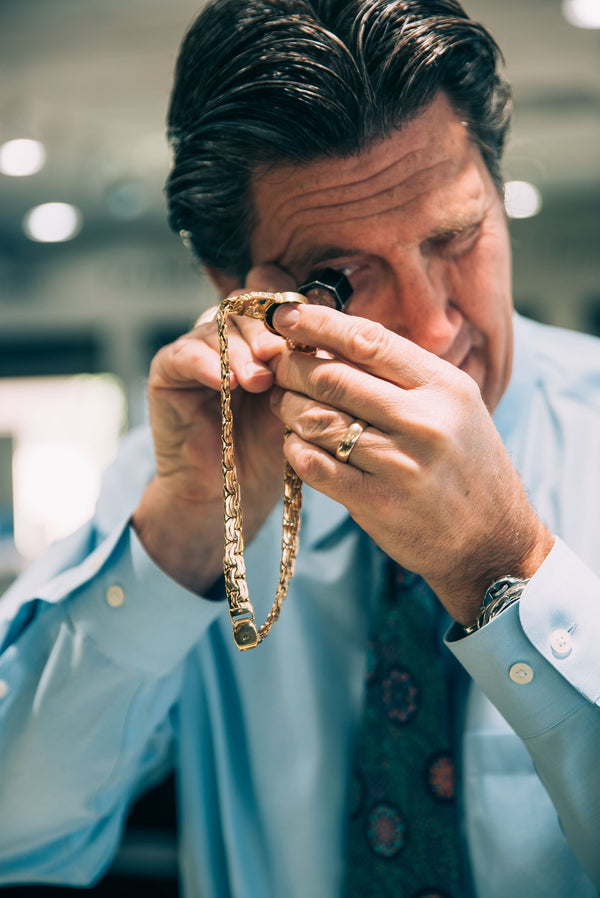
One reason the precious metal remains valuable is its function as a protection against inflation. Price inflation takes place when the costs of goods and services increase gradually. When inflation happens, currency diminishes in its buying strength, which may cause people concerned about their savings. Gold often retains its stability during these periods, meaning that it can help preserving purchasing power. This quality renders the precious metal an attractive choice for market participants looking to safeguard their holdings against the effects of inflation. Therefore, many people choose to buy this metal when they worry that their money might lose value.
Another factor contributing to gold's enduring worth comes from its requirement across multiple sectors. Beyond jewelry and investment, this element finds applications in technology and medicine. For instance, the metal can be found in smartphones and electronic systems because of its excellent conductivity. In the medical field, it is applied to certain treatments and diagnostic tools. This sector-driven need supports the valuation of the commodity steady and can even drive it higher. As technology continues to advance, the need for gold in these areas may only increase, reinforcing its value in the economy.
The view of the precious metal as a representation of affluence and achievement also plays a significant role in its lasting appeal. Cultures around the world have long linked this metal with prosperity and power. People often give gold as gifts during special occasions like weddings or anniversaries to represent devotion and dedication. This cultural significance you can try these out helps maintain a strong market for gold, as people continue to seek it out for personal reasons beyond just investment. The emotional connection individuals have with the metal ensures that it will continue to be highly desired.
In conclusion, the global nature of the gold market contributes to its lasting worth. Gold is traded internationally, meaning that its value can be influenced by events happening all around the world. Geopolitical turmoil or shifts in regulatory measures may trigger variations in interest for the metal. Nonetheless, this international demand also signifies that there are many you could look here buyers and sellers willing to trade it at any given time. As markets expand or contract, the gold sector responds in kind but typically stays resilient because of its global attractiveness and uses.
In conclusion, gold's enduring worth in the contemporary market is due to several key factors: its unique properties, capacity to hedge against inflation, industrial demand, cultural significance, and global market dynamics. As long as individuals acknowledge the importance of this precious metal for various purposes—whether for investment or individual purposes—the metal will most likely maintain its position as a critical resource in today's financial system.